
 English
 Español
 Français
 Deutsch
Lighting does more than make a tree visible in a dark room. Position, direction, spacing, and color can change how branches, ornaments, and surrounding walls appear, giving one tree several different visual styles without changing its basic structure.
A simple arrangement placed close to the outer branches can make the tree look clearly outlined, while lights hidden deeper inside can create a softer glow. Combining both positions adds depth because some areas remain gently shaded while other parts catch direct light.
Tree shape also affects the result. A dense tree can hide inner lights and create small points of light between branches. A more open structure allows illumination to travel farther, making the light visible from different angles.
Room conditions matter as well. A tree standing against a plain wall can use reflected light as part of its decoration, while a tree surrounded by furniture and ornaments may need more controlled lighting to avoid visual clutter.
Several elements can be considered together:
- Branch density
- Tree shape
- Light position
- Ornament placement
- Wall and furniture colors
- Viewing direction
- Existing room lighting
A useful starting point is to decide whether the desired appearance should come from the tree itself or from the light spreading around it. Once that choice is clear, placement becomes easier to plan.
How Can a Soft Inner Glow Be Created
A soft inner glow comes from placing lights farther inside the branches rather than keeping every light along the visible edge. Hidden sections of the tree then become small sources of illumination, allowing light to pass through gaps between branches.
Such an arrangement often gives a sense of depth. Outer branches remain partly shaded, while inner areas produce small points of light that appear between leaves or ornaments.
Placement should follow the natural structure of the tree instead of forming perfectly regular lines. Branches differ in length and direction, so a rigid pattern may look artificial once viewed from the front or side.
Inner lighting can work well with simple ornaments because the glow provides some visual interest without requiring every branch to carry additional decoration.
A practical arrangement may involve:
- Placing lights around inner branches
- Leaving some areas slightly darker
- Keeping wires close to branches
- Checking the tree from several viewing angles
- Moving lights away from areas already crowded with ornaments
Light hidden inside the tree can also illuminate nearby decorations from behind. Glass, translucent ornaments, and light‑colored surfaces may catch part of the glow, adding another layer without requiring extra light sources.
How Does an Outer Edge Lighting Style Work
Outer lighting follows the visible shape of a tree. Lights placed along branch tips or outer edges make the silhouette easier to see, especially when the surrounding room is relatively dark.
An edge‑focused arrangement creates a cleaner visual rhythm than a heavily layered design. Light follows the natural outline, so the tree shape becomes part of the decoration.
Such placement works particularly well when the tree already has a clear form. Too many lights around every edge can make separate branches visually merge, reducing the sense of structure.
Spacing deserves attention. Even placement can create a calm appearance, while slight variation can make the arrangement feel less rigid. A completely random pattern, however, may leave some sections noticeably darker than others.
Viewing distance also changes perception. From close range, individual bulbs or light sections are easy to notice. From farther away, separate points combine into a continuous outline.
For a simple edge‑focused style, attention can remain on:
Tree Outline + Branch Direction + Light Spacing + Viewing Angle
No complicated decoration is required when the lighting itself is being used to define the tree shape.
Can Layered Lighting Create More Depth
Layered lighting combines inner and outer placement rather than relying on one position. Lights deeper inside provide background illumination, while lights closer to the branch edges emphasize form.
Such an arrangement can make a tree appear fuller because light comes from different visual depths. Darker gaps between branches remain useful because contrast helps separate one layer from another.
Ornaments should be considered before adding more lights. Large decorations can block inner illumination, while reflective surfaces may create bright spots that change the balance of the arrangement.
A layered design does not need identical lighting density everywhere. Areas with many ornaments may need fewer visible lights, while open branches can carry additional points of illumination.
| Lighting Position | Visual Effect | Suitable Use |
|---|---|---|
| Deep Inside Branches | Soft inner glow | Calm decoration |
| Outer Branches | Clear tree outline | Simple visual style |
| Mixed Positions | Greater depth | Layered decoration |
| Behind Tree | Wall illumination | Indirect background effect |
| Selected Branches | Local accents | Focused decoration |
Balance remains more important than adding more elements. Too much illumination in one area can make nearby branches and ornaments difficult to distinguish.
A good layered arrangement allows each lighting position to serve a clear purpose. Inner light creates depth, outer light defines shape, and selected accents draw attention toward specific areas.
What Lighting Styles Can Christmas Tree Led Strip Lights Create
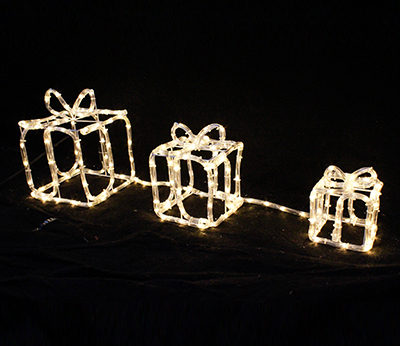
Christmas Tree Led Strip Lights can create a different visual effect from individual light points because continuous illuminated sections can follow a branch or tree outline.
Wrapping a strip around selected branches creates a steady line of illumination. Rather than showing separate points, such an arrangement can make certain parts of the tree appear connected.
Vertical placement creates another style. Running light sections upward along the tree can emphasize its height and draw attention toward the upper branches. Such an approach can work when horizontal wrapping would make the tree appear visually crowded.
A strip can also be positioned behind the tree to create a soft glow against a wall. Indirect placement keeps the light source less visible while allowing surrounding surfaces to become part of the decoration.
Selective use may be more practical than covering every branch. A few highlighted areas can provide structure while leaving other sections darker.
Possible arrangements include:
- Horizontal branch wrapping
- Vertical upward lines
- Outer edge accents
- Hidden rear lighting
- Selected branch highlights
Choice depends on tree structure and surrounding decoration. A dense tree may hide portions of a strip, while a sparse tree can reveal its full shape.
How Do Warm and Cool Lighting Styles Change the Atmosphere
Color has a strong effect on how a decorated tree fits into its surroundings. Warm‑toned light can create a softer and quieter feeling, especially when used with wood, cream, beige, or other muted interior colors. Cooler light tends to produce a cleaner appearance and can work naturally with white decorations, glass ornaments, or darker backgrounds.
Color choice does not need to follow a fixed rule. Room lighting, wall color, furniture, and ornament material all influence how a tree appears after the lights are switched on.
A simple comparison can help during planning:
| Lighting Style | Visual Character | Suitable Surroundings |
|---|---|---|
| Warm Light | Soft and relaxed | Warm interior decoration |
| Cool Light | Clean and crisp | Light or neutral surroundings |
| Mixed Light | Layered appearance | Decorative scenes with varied colors |
| Single Color | Calm and consistent | Simple tree arrangements |
Mixing warm and cool light can add contrast, although too much variation may make separate decorations compete for attention. Keeping one color as the main visual element can make supporting colors easier to control.
Light placement also changes color perception. A warm light hidden inside branches may appear softer than the same light placed along the outer edge. A cool light reflected onto a wall may create a wider visual effect than one directed toward the tree itself.
How Can Color Changing Create Different Decorative Scenes
Color‑changing lighting allows one tree to shift between several visual moods without moving every decoration. A steady single color creates a quiet appearance, while gradual transitions introduce movement without requiring rapid changes.
Alternating colors can emphasize selected branches or sections. For example, one color may appear along the lower area while another is used around upper branches, creating a clear division within the tree.
Gradual transitions tend to feel less distracting than constant rapid changes. Smooth changes can also work with reflective ornaments because light moves across their surfaces over time.
Color selection should relate to the surrounding space. Strongly contrasting colors may draw attention toward the tree, while closely related tones can create a more unified appearance.
A few approaches include:
- One steady color for a calm setting
- Two related colors for gentle contrast
- Gradual color changes for a moving visual effect
- Alternating sections for a more playful arrangement
- One main color with occasional accent colors
Too many visual changes can make ornaments and branches difficult to distinguish. Keeping the number of active colors controlled allows the tree structure to remain visible.
How Can Decorative Tree Led Lights Be Used Around the Tree
Lighting does not need to stay on the tree itself. Decorative Tree Led Lights can also be placed around its base, behind its branches, or along nearby surfaces to connect the tree with the surrounding room.
Lighting behind a tree can create a soft background glow. A nearby wall catches part of the illumination, making the tree appear connected to its surroundings rather than standing as an isolated bright object.
Base lighting creates another effect. Light placed around the lower section can emphasize the tree's position and visually connect it with gifts, ornaments, baskets, or nearby furniture.
Side placement can help balance a tree positioned close to a wall. A small amount of indirect illumination may reduce a heavy dark area behind the branches.
Cable management remains part of the visual design. Loose wires can interrupt the appearance of an otherwise carefully arranged tree. Cables should follow safe and practical paths, especially around walkways and furniture.
When lights are used around the tree, several points deserve attention:
- Keep wiring away from walking areas
- Avoid placing connections where moisture may collect
- Hide unnecessary cable sections where practical
- Keep light sources away from areas that may become damaged
- Check the arrangement from normal viewing positions
Indirect lighting can be especially useful when the goal is to create atmosphere rather than make every bulb visible.
What Factors Affect the Choice of Lighting Style
No single arrangement suits every tree. Shape, branch density, ornaments, room size, and surrounding illumination all affect how a lighting style appears.
A narrow tree may benefit from vertical placement because upward lines reinforce its height. A wide tree can use horizontal branch wrapping to emphasize its broader shape.
Dense branches can hide inner lighting, creating a gentle glow between leaves. Open branches may need more carefully positioned lights because individual sections remain visible.
Ornaments also influence the result. Large decorations can block light, while reflective materials can redirect it toward unexpected areas. Light‑colored ornaments may appear brighter than darker ones under identical lighting.
Room brightness should be considered as well. A tree in a dim corner may need less visible lighting than one placed in a room with strong ambient illumination.
A useful selection process can begin with four questions:
- What part of the tree should receive attention?
- Should light be visible or partly hidden?
- Should the room receive reflected light?
- Should color remain steady or change?
Answers to those questions can narrow the design without adding unnecessary elements.
How Can a Balanced Tree Lighting Arrangement Be Planned
Planning becomes easier when one main style is selected before accent lighting is added. Starting with too many patterns can make it difficult to judge whether the tree itself remains visible.
Begin with the tree structure. Check branch direction, density, height, and areas where ornaments will be placed. Next, decide whether inner glow, outer definition, or layered illumination should provide the main visual effect.
After the primary arrangement is installed, selected accents can fill dark areas or highlight decorations. Moving a light a short distance can sometimes change its effect significantly, so adjustment is often more useful than adding additional lighting.
Viewing the tree from several positions is also important. A design that looks balanced from directly in front may appear uneven from the side.
A practical planning sequence is:
Tree Structure → Main Lighting Style → Light Placement → Ornament Adjustment → Accent Lighting → Final Viewing Check
During the final check, attention can remain on bright spots, dark gaps, visible wiring, and areas where ornaments disappear behind strong illumination.
A restrained arrangement often allows branch structure and decorations to remain recognizable. Lighting should support those elements rather than cover every visual detail.
Decorative Tree Led Lights can therefore create several styles through changes in position, spacing, color, and direction. Christmas Tree Led Strip Lights add another option by forming continuous lines, outlining selected branches, or producing indirect background illumination. The suitable approach depends on the tree, room, decorations, and intended atmosphere, making placement and balance more important than simply adding more light.