
 English
 Español
 Français
 Deutsch
Balconies are often used for more than simply looking outside. They may hold chairs, plants, drying racks, small storage items, or seasonal decorations. Adding lighting can change how the space is used after dark, yet an outdoor lighting setup needs to work with the existing balcony structure.
Before installation, several practical details deserve attention. Moisture, exposed surfaces, electrical connections, available space, and daily movement can all affect how lighting should be arranged. A suitable setup needs to remain clear of doors and walkways while allowing the light source to stay in a stable position.
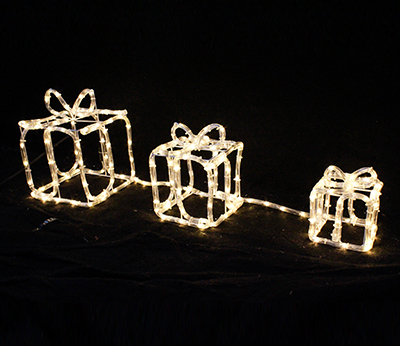
Exterior Led Rope Lights are often placed along balcony edges, walls, railings, or sheltered sections. The exact position matters because each area has different exposure to weather and physical contact. Looking at the balcony as a complete space can help avoid problems caused by choosing a location based only on appearance.
What Should Be Checked Before Using Exterior Led Rope Lights on Balconies
The balcony itself provides the starting point for any outdoor lighting arrangement. Walls, railings, floors, ceilings, and nearby fixtures can all influence where a light can be placed.
A surface that looks suitable may not remain convenient once furniture, plants, or other household items are added. Lighting should not block a passage or interfere with doors and windows. Areas that are regularly touched or used for carrying objects also need attention.
Moisture is another practical concern. Rain may reach an open balcony, while condensation or damp air can remain around sheltered areas. Water may also collect near the floor or drainage points. Lighting components and connections should therefore be positioned with the surrounding conditions in mind.
Before setting up the lights, it can help to check:
- Whether the intended mounting surface is clean and reasonably stable
- Whether rain or water can reach the planned position
- Whether doors and windows can open without touching the lighting
- Whether furniture or plants may interfere with the installation
- Whether the cable route creates a tripping or pulling risk
- Whether the lighting can be inspected without difficult access
The location also needs to suit regular cleaning. Dust and outdoor residue can gradually settle on exposed surfaces. A position that is easy to reach makes routine inspection less troublesome.
Once the physical environment has been checked, the balcony structure becomes the next consideration. A railing and a wall may both support lighting, yet they do not offer the same installation conditions.
How Does Balcony Structure Affect Rope Light Installation
Balcony structures vary in shape and layout. Some have solid walls, while others rely on metal or glass railings. There may also be overhead sections, narrow corners, drainage areas, and recessed spaces.
A rope light placed along a straight wall may have a relatively simple route. Around a corner, however, the lighting needs to follow the change in direction without being forced into an unsuitable bend. Tight pressure can affect the outer covering or the connection between sections.
Railings require another type of consideration. A railing may appear convenient for decoration, yet the light should not obstruct the area used for gripping or create loose sections that can catch on clothing or household items.
Doors and windows are also important. A cable or light placed too close to a moving panel can be pulled, squeezed, or damaged during normal use.
| Balcony Area | Practical Installation Consideration |
|---|---|
| Wall | Check surface condition and attachment points |
| Railing | Keep lighting clear of hand-contact areas |
| Corner | Allow a natural change in direction |
| Floor Edge | Avoid blocking drainage or walking areas |
| Door or Window Area | Keep cables away from moving sections |
The mounting method should suit the surface rather than forcing every part of the balcony into the same arrangement. A smooth wall, narrow railing, and sheltered ceiling may each require a different way of holding the lighting in position.
Another point is movement caused by outdoor conditions. Wind can make loose sections move against nearby surfaces. Repeated contact may gradually affect the outer covering, mounting points, or nearby objects.
A careful layout therefore considers both the balcony structure and the path taken by people using the space. Once those physical factors are clear, attention can shift toward the source of electrical power.
What Power Supply Conditions Should Be Considered Outdoors
Outdoor lighting depends on more than the light itself. The power source, cable route, connection points, and surrounding surfaces all form part of the setup.
An indoor outlet may be located some distance from the balcony, while an outdoor outlet may be exposed to moisture or direct weather. The route between the power source and the lighting should not place the cable under unnecessary tension.
Connections deserve particular care because they can become vulnerable points when exposed to outdoor conditions. Water, dirt, accidental pulling, and repeated movement may affect a connection over time.
Before connecting the lighting, consider whether:
- The power source is suitable for the intended outdoor location
- Connection points can remain protected from direct water exposure
- Cables can be routed without sharp pressure or heavy objects resting on them
- The plug and connection area can be checked easily
- The cable does not cross a normal walking path
- The arrangement can be disconnected without pulling the cable itself
Extension arrangements also need attention. Adding extra cable can make positioning easier, yet a longer route may create more areas where the wire can become trapped or exposed.
Power should also be considered alongside the physical layout. A convenient lighting position may not be practical when the cable needs to travel across a door, railing, or walkway. Moving the light slightly can sometimes create a cleaner route without changing the intended lighting effect.
For balcony decoration, LED Holiday String Lights may also be used around furniture, railings, or sheltered areas. Their decorative purpose does not remove the need to consider cable placement and outdoor exposure.
How Should Exterior Led Rope Lights Be Positioned on a Balcony
Positioning affects both the appearance and practical use of balcony lighting. A light placed along a railing can create a continuous visual line, while a wall-mounted arrangement may direct light toward a specific area.
The lighting should follow the shape of the balcony without being stretched tightly between attachment points. Gentle bends can help the rope follow corners and changes in direction without placing unnecessary pressure on the material.
The surrounding area should remain usable after installation. Chairs should be movable, doors should open normally, and drainage paths should remain clear. Plants and decorative items should also have enough room without pressing against the lighting.
Different sections of a balcony can serve different purposes. A sheltered upper area may provide some protection from rain, while an exposed railing can receive more direct weather. The arrangement should account for these differences rather than treating every location in the same way.
During installation, it is useful to check the route from several angles. A position that looks neat from inside the room may create an obstruction when viewed from the balcony itself.
The same principle applies to LED Holiday String Lights used for seasonal decoration. Loose sections can become tangled with nearby objects, while a tightly arranged line may be difficult to remove for cleaning or storage.
A practical layout leaves enough room around the lighting for inspection and cleaning. It also keeps connection areas accessible rather than hiding them behind furniture or fixed decorations.
With the physical route and power arrangement considered together, the lighting becomes easier to manage as part of the balcony rather than as a separate decoration added afterward.
What Weather Conditions Can Affect Balcony Lighting
Outdoor lighting remains exposed to changing conditions even when a balcony has some shelter. Rain can reach open sections, while moisture may remain on surfaces after wet weather. Sunlight can also affect exposed materials, especially when lighting stays in the same position for long periods.
Wind creates another type of pressure. A loose section may move against a railing, wall, plant pot, or other nearby object. Repeated movement can affect the mounting position and may also cause the cable to shift.
The location of connections deserves particular attention. A connection placed near an exposed edge may receive water more easily than one positioned in a sheltered area. Moving the connection to a protected location can reduce unnecessary exposure, provided that the new route does not create another safety issue.
Temperature changes can also affect outdoor materials. Parts may expand or contract slightly as the surrounding environment changes. Regular inspection can help identify changes in the outer covering, mounting points, and connection areas.
Before and after periods of wet weather, a simple visual check can focus on:
- Moisture around connection areas
- Loose or displaced mounting points
- Visible damage to the outer surface
- Cables that have moved from their original route
- Objects pressing against the lighting
- Water collecting near lower sections
Cleaning should also be handled with the intended outdoor conditions in mind. Dust, pollen, and other residue can collect on exposed surfaces. Removing buildup can make it easier to see changes that might otherwise remain hidden.
Weather exposure does not necessarily mean that lighting needs to be removed after every change in conditions. The important point is that the installation should match the environment where it is being used. An open balcony and a sheltered balcony can place different demands on the same lighting arrangement.
How Can LED Holiday String Lights Be Used Around Balcony Areas
Decorative lighting is often added around railings, furniture, plants, or sheltered sections of a balcony. LED Holiday String Lights can be arranged along these areas, although the decorative layout still needs to leave enough space for normal balcony activities.
Furniture placement is worth considering before hanging the lights. A chair or small table may be moved regularly, so a loose cable positioned nearby could become caught or pulled. Keeping the lighting slightly outside the movement path can reduce this type of interference.
Plants create another consideration. Leaves and branches may grow into the lighting or move against it when there is wind. Water from plant care can also reach nearby connections. Keeping lighting and plant containers reasonably separated can make both easier to maintain.
Seasonal decoration may also change the arrangement. Items added around a balcony can cover connection areas or place pressure on the light line. Before adding decorations, it is useful to check whether they affect the existing cable route.
A balanced arrangement can consider:
- Distance from furniture that is moved often
- Space around doors and windows
- Position of plant containers
- Access to connection areas
- Exposure to rain and sunlight
- Ease of removing the lights later
The appearance of the lighting should work with the way the balcony is used. A decorative line along a railing may suit an open sitting area, while a wall-mounted arrangement can keep the floor relatively clear.
For rope-style lighting, the same principle applies. The installation should not depend only on how the light looks when viewed from inside. Walking around the balcony and checking each section can reveal loose areas, blocked access, or contact with nearby objects.
What Safety Checks Matter During Regular Use
Once balcony lighting has been installed, regular inspection can help identify changes caused by weather, movement, cleaning, or everyday activity. A quick visual check can often reveal whether the lighting remains in its intended position.
The outer surface should be checked for visible cuts, cracks, exposed areas, or other physical changes. Connection points should also be inspected for signs of moisture, looseness, or movement.
Heat is another condition worth noticing. A component that feels unusually hot compared with its normal operating condition should not simply be ignored. Disconnecting the lighting and checking the relevant instructions or seeking qualified electrical assistance may be appropriate when an abnormal condition appears.
Cables also need attention. A cable that has become trapped under furniture or pressed against a sharp edge can gradually suffer physical damage. Moving the cable back into a clear route may prevent continued pressure.
Routine checks can be kept simple:
- Look over the visible surface for damage.
- Check whether mounting points remain in position.
- Inspect connections for moisture or looseness.
- Make sure cables are not trapped or stretched.
- Check that doors, windows, and walking areas remain clear.
- Disconnect the lighting when a visible problem requires closer inspection.
Cleaning should not be treated as a purely cosmetic task. Dirt can hide physical changes and may collect around areas where parts connect. A clean surface makes inspection easier.
When the lighting will not be used for a longer period, disconnecting the power can also reduce unnecessary exposure. Removal may be appropriate when the balcony is being rearranged, when weather conditions create a concern, or when the lighting needs closer inspection.
Any clearly damaged component should be taken out of use rather than kept connected while waiting for a convenient repair.
How Should Balcony Rope Lights Be Stored After Outdoor Use
Storage begins before the lighting is removed from the balcony. Dirt, moisture, and decorations attached around the cable can make removal more difficult. Clearing the surrounding area first can reduce pulling and accidental contact.
After removal, exposed surfaces should be cleaned according to the care instructions for the product. Damp parts should be allowed to dry before storage. Putting wet lighting directly into a closed container can leave moisture around surfaces and connections.
The cable should also be arranged without excessive force. Tight knots or sharp bends can place unnecessary pressure on the outer covering. A loose, controlled coil can make the lighting easier to handle when it is needed again.
Connection areas deserve separate attention. They should remain clean and dry, while plugs and detachable parts should be protected from dust and accidental impact during storage.
A suitable storage location should provide:
- A dry environment
- Protection from unnecessary pressure
- Enough room to keep the cable loosely arranged
- Separation from sharp household objects
- Easy access for the next inspection
The storage container itself should not press heavily against the lighting. Heavy objects placed on top can deform the cable or damage small connection parts.
Before reinstalling the lighting, a quick inspection can confirm whether anything changed during storage. Checking the outer surface, cable route, mounting points, and connections creates a natural link between storage and the next installation.
Exterior Led Rope Lights used on balconies are therefore affected by more than their lighting function. The surrounding structure, power arrangement, weather exposure, daily movement, and storage method all influence how the setup is handled over time. Careful placement and routine checks can keep the lighting arrangement compatible with the balcony environment while leaving the space practical for everyday use.