
 English
 Español
 Français
 Deutsch
LED Christmas String Lights are a popular choice for festive decorations due to their unique combination of technology, versatility, and visual appeal. Unlike traditional bulbs that produce light by heating a filament, LEDs rely on semiconductors to convert electrical energy directly into photons. This process, called electroluminescence, results in efficient light production with minimal heat generation. This efficiency allows more lights to be used in confined spaces without raising room temperature, which is particularly useful when decorating indoor trees, window frames, or shelving.
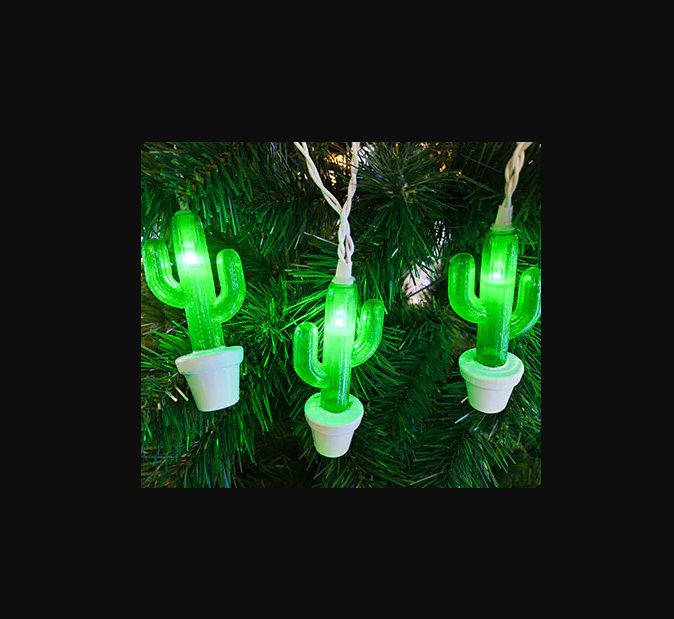
Modern LED string lights come in various configurations, including fixed-color strings, multi-color patterns, and programmable sequences. Sets typically range from 5 meters to 50 meters in length, with 100 to 500 LEDs per string. Larger commercial setups can connect multiple strings, creating displays with over 1,500 LEDs, covering façades, trees, or public squares. The low wattage of individual LEDs, often between 0.05 and 0.1 watts per bulb, allows extensive installations to operate without high energy demands. A typical 20-meter set with 200 LEDs, for example, consumes approximately 8–10 kWh when used four hours daily for a month, providing a clear picture of energy use without relying on generalizations.
Beyond energy efficiency, LED string lights offer practical benefits for installation and maintenance. Many sets feature flexible wires that can bend around corners, wrap tightly around tree branches, or drape along railings. Built-in connectors allow multiple strings to link, often supporting up to five connected sets for continuous coverage. Outdoor-rated strings are coated with protective insulation, helping them resist moisture, light rain, or brief exposure to snow, while still maintaining consistent light output.
The visual performance of LED string lights is another factor contributing to their popularity. LEDs can produce a broad spectrum of colors, including warm white, cool white, red, blue, green, and multi-color effects. Advanced string lights allow programmable sequences such as alternating flashes, slow fades, twinkling patterns, or cascading effects. Some models even synchronize with music, making them suitable for interactive displays or events. These features are achieved through integrated microcontrollers or remote-controlled systems, allowing users to customize lighting behavior for different settings and occasions.
From a durability perspective, LEDs demonstrate stable performance over extended periods because the semiconductors are less affected by repeated on/off cycles than traditional incandescent filaments. Low heat emission reduces wear on internal components, while high-quality wire insulation prevents short circuits or mechanical damage during seasonal setup and removal. Users often pair LED string lights with clips or hooks to maintain tension and alignment, ensuring a consistent appearance and safer operation.
In conclusion, LED Christmas String Lights provide an effective combination of energy efficiency, low heat output, customizable illumination, and flexible installation. Their underlying semiconductor technology, durable design, and wide range of visual effects make them a practical and engaging solution for decorating indoor and outdoor spaces during the holiday season. By understanding the principles of LED operation and choosing appropriate installation strategies, users can achieve vibrant and reliable lighting displays while maintaining energy-conscious practices.
FAQs
How much electricity do LED string lights use?
Typical consumption ranges from 5 to 20 watts per set, depending on length and LED density.
Can multiple strings be connected in series?
Many sets allow connecting several strings, usually up to five, for continuous coverage.
How do LEDs produce light without generating much heat?
LEDs use electroluminescence, converting electrical energy directly to photons without heating a filament.
Are LED string lights safe for use near fabrics or paper decorations?
Yes, their low heat output reduces risks associated with flammable surfaces.
Do LED string lights maintain color and brightness over time?
Yes, semiconductor design and low thermal stress help preserve consistent color and intensity.
Can outdoor LED strings handle rain or snow?
Outdoor-rated sets have protective insulation and IP ratings to resist moisture and short-term exposure.
What installation methods work best for LED string lights?
Use clips, hooks, or cable ties to secure strings along railings, eaves, or tree branches.
Can LED string lights be synchronized with music or smart controls?
Yes, some models include microcontrollers or app-based systems for programmable sequences and interactive effects.