
 English
 Español
 Français
 Deutsch
The materials matter for outdoor use. Weather-resistant wiring and sealed connections keep the lights working through rain and snow. The frame needs enough strength to stand up to wind without bending or collapsing. Cheaper versions use thin wire that bends easily and lights that burn out after one season. More substantial construction costs more but survives multiple winters.
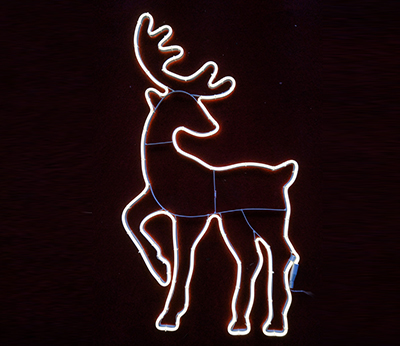
Outdoor Lighted Deer for Christmas come in various poses. A standing deer with its head raised looks alert and watchful. A grazing deer with its head down suggests a quieter, more peaceful scene. A leaping deer adds motion and energy to the display. The pose chosen affects where the deer looks right and how it fits with other decorations.
Why Placement Matters for Outdoor Lighted Deer
Where a deer sits in the yard changes how people see it. A deer placed close to the street gets noticed by passing cars but may not feel like part of the property. A deer placed near the house becomes part of the home's decoration, visible to visitors as they approach the front door. The location chosen sends a message about the display's intention.
Visibility from the road matters for neighbours and passersby. A deer placed behind a bush or around the corner of the house may go unnoticed. A deer placed in an open area, visible from the street, spreads holiday cheer to everyone who passes. The display brings joy not just to the homeowner but to the wider community.
Placement also affects how the lights reflect off other surfaces. A deer near a white wall or a snowbank gets extra illumination from reflected light. A deer surrounded by dark foliage stands out more dramatically. The surrounding environment changes how bright the deer appears, even with the same number of lights.
Where to Position Deer for Maximum Visual Impact
Grouping deer together creates a stronger display than placing them separately. A single deer looks lonely. Two deer look like a pair. Three or more deer look like a herd. People respond to groups because they tell a story. The eye moves from one deer to the next, taking in the whole scene.
The direction each deer faces shapes the story. Deer that face the same direction suggest movement, as if they are travelling together. Deer that face each other suggest interaction, as if they are communicating. A doe facing a buck, a fawn following an adult, the relationships come through in the positioning.
Using different sizes adds depth to the display. Large deer dominate the scene, drawing the eye first. Smaller deer create secondary points of interest. The contrast in size suggests a family grouping. A buck, a doe, and a fawn arrangement looks more natural than three identical deer standing in a row.
A few practical points help create a natural-looking arrangement:
- Leave enough space between deer so their outlines remain distinct
- Vary the distance from the viewer for depth
- Avoid straight lines and perfect spacing
- Place deer at different angles to the street
- Use the yard's natural features as part of the display
How to Create a Natural Look with Multiple Deer
A group of deer that looks natural follows patterns seen in real deer behaviour. Deer grazing spread out across a meadow, each one facing a slightly different direction. Deer resting in a group lie close together but face outward, watching in all directions. A display that copies these natural patterns looks more convincing than a rigid row of identical deer.
Variation in colour and lighting helps. Warm white lights on some deer and cool white on others creates subtle differences. If one deer has a different light colour or a distinct pose, the group becomes more interesting. The eye finds details rather than seeing all the deer as one block.
| Grouping Type | Description | Visual Effect |
|---|---|---|
| Single deer | One deer alone in the yard | Simple, quiet, may feel incomplete |
| Two deer facing each other | A pair interacting | Suggests connection, conversation |
| Line of deer facing same direction | All deer oriented the same way | Suggests movement, a herd travelling |
| Scattered grazing group | Deer facing different directions | Natural, relaxed, visually engaging |
| Family grouping | Large, medium, and small deer | Suggests relationships, tells a story |
| Mixed poses | Standing, grazing, leaping combined | Adds variety and visual interest |
What Safety Considerations Come with Outdoor Placement
Extension cords running across a yard create trip hazards. A cord stretched from the house to a deer in the middle of the lawn might cross a walkway or path. People walking at night may not see the cord until they trip over it. Running cords along the edge of walkways or under the eaves of the house reduces the risk.
Anchoring deer against wind prevents them from blowing over and damaging themselves or nearby property. Some deer come with stakes that drive into the ground. Others need weights or sandbags to hold them in place. A deer that blows over in a storm may land in a puddle of water or against a car, causing damage.
Underground utilities add another layer of concern. Staking a deer through a buried electrical cable, gas line, or sprinkler pipe creates serious problems. Knowing where utilities run before driving stakes into the ground avoids costly repairs. Many homeowners mark utility locations before starting any outdoor installation that involves penetration of the ground.
Where Not to Place Outdoor Lighted Deer
Some spots in a yard look promising during the day but turn into problems once the display goes up. A deer that sits too close to a driveway may get hit by a car pulling in after dark. One placed near a mailbox can block the mail carrier from reaching the box. A location that seems ideal in the afternoon light may become awkward or invisible once the bulbs come on at night.
Areas near road intersections or driveway entrances create visibility problems for drivers. A deer placed where it blocks the view of oncoming traffic puts everyone at risk. Someone pulling out of a driveway needs a clear line of sight. A large deer with bright lights can distract or obstruct. Keeping decorations away from corners and driveways prevents accidents.
Heat sources create another set of hazards. A deer sitting next to a house vent, a porch light fixture, or a grill could overheat. The plastic or fabric covering may melt or catch fire. The wiring inside can fail. A few feet of clearance usually provides enough safety, but giving the deer more space never hurts.
How Weather Affects Outdoor Lighted Deer Placement
Wind causes more damage to holiday displays than most people expect. A deer that stands perfectly still in calm weather can blow over in a strong gust. Once on the ground, the frame may bend, the lights may break, and the wiring may pull loose. Placing deer in sheltered spots near walls, fences, or large shrubs reduces wind exposure. The shelter also protects them from debris that blows across the yard during winter storms.
Snow changes the display in ways that catch people off guard. A layer of snow on the back of a deer weighs down the frame and strains the attachment points for the lights. Snow accumulating around the base may cover power connections and make them hard to reach. Placing deer on slightly higher ground, or on small platforms, keeps them above the snow that builds up over the season.
Rain and melted snow introduce moisture into electrical connections. A connection that stays dry on a sunny day may fail when exposed to water. Using weatherproof covers, wrapping connections with electrical tape, and keeping connection points off the ground all help. Deer placed in low spots where water collects will face more moisture problems than those on higher ground.
What Power Supply Requirements Should Be Considered
Every outdoor deer draws some amount of power. The total depends on the type of bulbs and how many of them the deer contains. LED lights use very little power compared to the older incandescent type. A homeowner running five deer with LED lights may use less electricity than a single deer with old-style bulbs. Knowing what each deer draws helps avoid overloading circuits.
Extension cords have limits that people often overlook. A thin cord that works fine for a small lamp may overheat when running several deer. Outdoor-rated cords with heavier wire handle larger loads safely. Checking the rating on the cord and matching it to what the deer need prevents overheating and reduces fire risk.
Household circuits can only handle so much power before the breaker trips. Adding up the wattage of all the deer and any other decorations on the same circuit gives a total. Staying well below the circuit capacity leaves room for other items and prevents the breaker from shutting off the whole display.
A few steps make power management simpler and safer:
- Use heavy-duty extension cords made for outdoor use
- Check the total wattage before connecting everything
- Cover connections to keep rain and snow out
- Run cords where people do not walk
- Unplug the display during severe weather
How to Integrate Lighted Deer with Other Outdoor Decorations
A yard full of holiday decorations looks best when the pieces work together. Deer placed randomly among trees, wreaths, and other items can look cluttered. A display with a clear plan feels thoughtful and pulled together.
Light colour drives the overall look. Warm white deer alongside cool white snowflakes clash visually. Multicolour deer surrounded by all-white decorations compete for attention. Choosing a consistent colour scheme makes the display feel intentional. Mixing colours can work if done with purpose rather than by accident.
Positioning matters for the composition. A deer placed directly in front of a lighted Christmas tree may block the tree or look crowded. Moving the deer to the side, or putting it in a separate area of the yard, lets each element stand out. The eye should travel across the display, not get stuck on a single spot.
What Seasonal Factors Influence Display Decisions
Snowfall changes everything. A deer placed on bare ground looks different once the snow covers the grass. Snow reflects light, brightening the display. Snow also makes the deer harder to reach for adjustments or repairs. Placing deer where they stay accessible through snow helps with maintenance throughout the season.
Frozen ground complicates installation. A deer that comes with stakes for anchoring becomes difficult to install once the ground hardens. Driving stakes before the ground freezes, or using weighted bases instead of stakes, solves that problem. Weights like sandbags hold the deer in place without penetrating the ground.
When the season ends, storage planning begins. The deer come down, but they need to survive until next year. Storing them in a dry, temperature-controlled area prevents damage from moisture and extremes of heat and cold. Boxes or bags protect the finish and keep pests away.
A final look at the display before taking it down pays off for next year. Noting which placements worked best, which caused problems, and which deer performed well or poorly improves the planning for the following December. A quick note or a few photos saves the lessons learned when next year rolls around and the installation starts again.