
 English
 Español
 Français
 Deutsch
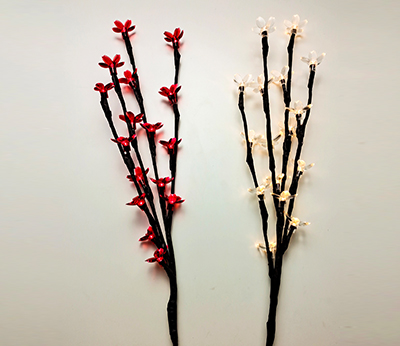
Small tree-shaped lighting pieces often work better in places where lighting does not need to dominate a room, since the structure spreads light through thin branching forms and lets brightness break apart naturally instead of staying in one fixed direction. The result feels closer to a soft visual layer sitting inside the space rather than a strong light source changing the whole environment at once.
In many interiors, these lighting pieces fit into corners, narrow gaps between furniture, shelf edges, or small tabletop zones where traditional fixtures would feel too heavy or visually direct. Once placed, light slowly spreads across nearby surfaces such as walls, wood panels, fabric, or glass, and each material reacts in a different way, sometimes absorbing glow, sometimes reflecting it in a faint uneven pattern that shifts with viewing angle.
The structure does not depend on a fixed layout, so small changes in position already create different lighting moods without altering surrounding objects. That kind of flexibility becomes useful in spaces where furniture arrangement is not permanent, or where visual atmosphere changes depending on time of day.
Common spatial behaviors often linked with this lighting style include:
- Light spreading through open branch-like frames instead of a single beam
- Compact form fitting into unused corners or narrow surfaces
- Soft reflection appearing differently on wood, fabric, and wall textures
- Placement shifting easily without affecting room structure
Lighting in this form usually behaves more like background presence, shaping how space feels rather than drawing attention to itself.
How Can Indoor Living Rooms Be Transformed With Mini Led Tree Lights
Living rooms often carry mixed usage, where resting, reading, and light social activity share the same area, so lighting usually needs to stay flexible instead of fixed. When small tree-shaped lighting is placed near corners or behind seating areas, light spreads along walls in a slow gradient, reducing sharp contrast that often appears under a single overhead source.
Shelves and side tables also play a role in how light behaves in these spaces. Objects placed near the glow start to pick up faint highlights, and materials such as wood or fabric soften the reflection, while glass surfaces scatter light into smaller points that shift as movement happens in the room. The result is not a direct change in brightness, but a layered visual effect that builds depth over time.
Even simple adjustments in placement can shift the atmosphere, especially when the light moves closer to textured surfaces or away from open empty areas, since reflection patterns change depending on distance and surrounding density.
Common placement patterns include:
- Corner zones beside seating areas where wall reflection builds depth
- Shelf areas filled with books or decorative objects
- Side tables near sofas where light blends with fabric textures
- Entry corners where soft glow marks spatial transition
The lighting effect stays subtle, often working as a quiet background layer instead of a central visual focus.
Why Do Bedroom Spaces Benefit From Mini Led Tree Lights
Bedroom environments often rely on visual calmness, where strong light sources can feel too direct and interrupt rest conditions, so softer illumination tends to work better when placed close to surfaces rather than directed into open space. Small tree-shaped lighting placed near bedside tables or corners creates a low, steady glow that spreads across nearby walls and fabrics without forming sharp contrast lines.
Different materials react differently to this type of light. Fabric absorbs part of the glow and reduces brightness intensity, wood adds a warmer tone through reflection, and painted walls distribute light more evenly, producing a smooth gradient that feels less structured and more natural. These interactions do not change the function of the room but shift its visual tone in a gradual way.
Placement often follows simple spatial logic:
- Bedside zones where light stays close to resting area edges
- Dressing corners where reflection stays indirect
- Floor corners near walls where glow spreads upward slowly
- Small shelf surfaces where objects interact with light softly
The overall effect remains quiet and layered, shaped more by reflection behavior than by direct illumination strength.
How Can Dining Areas Use Mini Led Tree Lights for Atmosphere
Dining spaces depend on balance between visibility and comfort, since lighting that is too strong can feel visually tiring while weak lighting can reduce clarity during shared meals. A small tree-shaped lighting piece placed at the center of a table tends to create a soft focal point, allowing light to spread outward in all directions without blocking visual interaction across the table.
When placed near sideboards or cabinet surfaces, the light reflects gently across nearby objects such as ceramic, glass, or wood, and these reflections shift slightly with movement, adding quiet variation to the background environment. The effect stays subtle, more connected to surface behavior than to direct brightness.
Typical positioning approaches include:
- Table center placement forming a soft ambient anchor
- Side cabinet edges where reflection stays indirect
- Corner shelving where background depth builds gradually
- Transitional wall areas where glow balances open space
Lighting in these areas often works as environmental support rather than a visual highlight, shaping atmosphere through diffusion instead of direction.
How Are Led Tree Lights Used in Small Gathering Spaces
Small gathering spaces rarely stay in one fixed layout. Chairs move, tables shift, open areas appear and disappear depending on activity, and lighting often needs to follow that same flexibility without feeling forced or rigid. A small tree-shaped light placed near corners or along edges tends to work as a quiet marker of space rather than a fixed visual center, letting glow spread outward and fade into surrounding surfaces.
When placed near grouped seating, light usually becomes part of the background rhythm, not something that draws attention directly. Walls pick up faint reflection, furniture edges soften slightly, and the space starts to feel less segmented even when people gather in different clusters. Movement inside the room also changes how shadows fall, since bodies and objects briefly interrupt and reshape the light path.
Typical placement in these environments often includes:
- Floor corners where light spreads outward in a loose gradient
- Table clusters where glow sits between shared seating points
- Wall edges where brightness softens transitions between zones
- Temporary open spaces that change with activity flow
Lighting in such settings behaves less like a fixed installation and more like part of the room's movement, adjusting naturally as the environment changes shape.
Where Can Led Tree Lights Be Placed in Outdoor Balcony or Garden Areas
Outdoor spaces bring a different kind of behavior, since wind, plants, and uneven surfaces constantly affect how light is seen. A tree-shaped lighting piece placed among plants or near railings does not stay visually stable in appearance, since leaves move, shadows shift, and reflective surfaces respond differently depending on angle and distance.
Plant leaves often break light into small fragments, producing scattered highlights that move slightly with air flow. Wooden surfaces tend to soften the glow, while stone absorbs brightness into a more muted tone. Metal edges reflect sharper points of light that fade quickly as the viewing angle changes.
Common placement patterns include:
- Between pots and greenery where light blends into natural shapes
- Along balcony railings where glow outlines structure in a soft way
- Near outdoor seating corners where reflection stays indirect
- Small tables where light remains close to surface level
In these environments, Decorative Tree Led Lights rarely feel static, since natural movement continuously reshapes how brightness spreads and how shadows form across surrounding materials.
How Do Led Tree Lights Adapt to Seasonal or Changing Themes
Living spaces and outdoor corners often change appearance depending on arrangement, mood, or simple shifts in decoration, and small flexible lighting tends to move along with those changes rather than staying tied to a single position. A compact tree-shaped light can sit near a shelf at one moment, then shift closer to a table or plant area later, with each position creating a slightly different visual tone without altering the light source itself.
When placed closer to dense objects, reflections become layered and more textured. When moved into open areas, light spreads more freely and feels lighter across surfaces. Even small changes in height or distance from walls can alter how shadows stretch or soften.
Common adaptation patterns include:
- Moving between corners and central surfaces depending on layout changes
- Blending with plants or decorative objects to change visual density
- Shifting between indoor and semi-open areas without structural change
- Combining with other light sources to adjust overall atmosphere
Seasonal or decorative changes often rely more on positioning than on equipment changes, since space arrangement itself plays a larger role in how light behaves across different surfaces.
How Do Placement Choices Influence Overall Lighting Behavior
Lighting behavior in small decorative setups depends heavily on where the light is placed, since position determines how glow spreads, how reflections form, and how shadows interact with nearby objects. The same light source can feel different depending on whether it sits near a wall, inside a corner, or on an open surface.
Closer placement to textured materials often creates uneven reflection patterns, where light breaks across surfaces in softer fragments. Placement in open space produces smoother diffusion, although visual layering becomes less noticeable. Height also changes perception, since lower positions push light upward, while elevated positions allow it to spread sideways across surrounding objects.
| Placement Area | Visual Behavior |
|---|---|
| Corners | Wider spread with layered shadows |
| Table surfaces | Focused ambient glow near objects |
| Shelf edges | Mixed highlights across nearby items |
| Plant zones | Irregular patterns shaped by movement |
Lighting in these environments does not stay fixed in appearance, since surrounding materials, distance, and movement constantly reshape how glow and shadow interact, turning placement into the main factor behind visual effect rather than the light structure itself.