
 English
 Español
 Français
 Deutsch
Indoor lighting usually works better when it feels present without taking over the room. A living room, bedroom, shelf display, or small corner arrangement rarely needs a strong beam. More often, the space feels better with a softer glow that blends into furniture, walls, and fabric. Copper Wire String and LED Holiday String Lights suit that kind of setting because the structure stays light, flexible, and easy to place.
Copper wire can bend around objects without looking bulky or forcing a rigid line. That matters indoors, where surfaces are not always flat and decoration often follows the shape of a frame, plant pot, mirror edge, or shelf. Once the wire is arranged, it usually holds the shape well enough for daily use, so the lighting keeps its form without constant adjustment.
The LED points along the string also matter. Since each light stays small, the effect feels more like a calm scatter of light than a hard spotlight. On a wall, near curtains, or around a shelf edge, that kind of lighting tends to feel gentle and easy on the eyes. In a room with several reflective surfaces, the light can also bounce a little, which helps the space look more layered without needing extra fixtures.
Indoor use often comes down to comfort and simplicity. People usually want lighting that fits the room instead of fighting with it. A flexible wire and small LED points make that easier to achieve.
How Does Copper Wire String Influence Light Distribution Indoors
Light does not stay in one place once it enters a room. It touches surfaces, reflects, softens, and changes depending on where the source sits. Copper Wire String affects that behavior because the wire itself decides how the LEDs are spaced and how the light path moves through the room.
When the wire follows a straight line, the lighting feels more direct. When it curves around objects, the light spreads in a wider and less rigid way. That difference is easy to notice indoors, where even a small change in position can shift the feeling of the whole corner. A wire wrapped around a shelf edge gives a different result from a wire stretched along a wall line.
Surface material also plays a part. A pale wall, glass frame, or polished table surface reflects more light back into the room, while darker materials keep the glow close to the source. Copper Wire String allows placement near these surfaces, so the room can use reflection as part of the lighting effect instead of relying only on brightness from the LEDs.
The result is usually less about strong illumination and more about visual balance. A room with soft lighting often feels more settled when the wire shape works with the space instead of sitting apart from it.
What Factors Affect Even Lighting With LED Holiday String Lights
Even lighting indoors depends on more than how bright each LED appears. Spacing, background surface, and layout all change how the eye sees the light across the room. With LED Holiday String Lights, a neat arrangement often looks calmer than a crowded one, and a consistent pattern usually feels more natural than a random cluster.
Spacing between the LED points is one of the first things people notice. Tight spacing creates more concentrated brightness, which can be useful in some places but may feel heavy in a small room. Wider spacing gives a softer look, though too much space may break the visual flow. A balanced middle range often works better for indoor decoration because it keeps the pattern readable without making it harsh.
The background matters as well. Light spreads differently on a painted wall than it does on fabric or wood. A wall with a lighter tone reflects more glow, so the lighting looks fuller. A darker background absorbs more of the light, which makes the effect quieter and more contained.
| Arrangement Style | Visual Effect | Indoor Feeling |
|---|---|---|
| Tight spacing | Bright clusters | Stronger presence |
| Balanced spacing | Even glow | Softer and steadier |
| Wide spacing | Light scattering | More open, less dense |
The goal indoors is often not maximum brightness. It is usually a look that feels comfortable and consistent from one corner to another.
How To Arrange Copper Wire String For Balanced Indoor Lighting
Arranging Copper Wire String indoors works best when the layout follows the room instead of forcing the room to follow the layout. A shelf, window frame, dresser edge, or indoor plant stand can all become natural anchor points. Once the wire follows those shapes, the lighting looks more settled and less staged.
Wrapping around objects is one common way to use it. The wire can trace a frame or wind around a decorative piece, which helps the LEDs sit close to the surface and create a local glow. That kind of placement often works well in bedrooms or on shelves, where the lighting is meant to support the space rather than dominate it.
Wall placement gives another result. When the wire runs along a straight edge or follows a vertical line, the room gains a soft outline. This is useful when the goal is to mark a space gently, especially in corners that feel too empty without some light.
Layering can make the effect more natural. A single line can look flat, while a slight change in depth creates more visual variation. The wire can sit closer in one area and slightly farther in another, allowing the light to move through the room in a more relaxed way.
A few small habits help the arrangement feel balanced:
- keep the wire shape close to the room structure
- avoid crowding too many light points in one area
- leave some breathing space between glowing sections
- check how the light looks from the usual viewing angle
When the layout feels easy to follow, the room usually feels calmer too.
Where Are LED Holiday String Lights Commonly Used Indoors
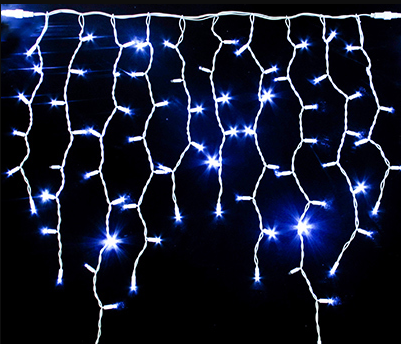
Indoor spaces use LED Holiday String Lights in many simple but effective ways, usually where soft atmosphere matters more than strong brightness. Living rooms are one of the common places. The lights are often placed along shelves, behind sofas, or around wall edges to create a gentle background glow that does not interrupt daily activity.
Bedrooms often use them in a quieter way. A light line near the headboard or along a curtain edge can soften the room without changing its function. The result is not about strong decoration, more about adding a calm visual layer that sits quietly in the background.
Shelf and display areas also benefit from this kind of lighting. Small objects gain more presence when light touches them lightly from the side or behind. Instead of spotlighting, the effect feels more like outlining space, which helps objects stand out without harsh contrast.
In some indoor layouts, lighting is also used to break empty corners. A bare corner can feel heavy in a room, and a simple wire arrangement can reduce that feeling without changing furniture placement.
How Does Installation Method Affect Long Term Lighting Appearance
How the wire is installed often decides how stable the lighting looks over time. Copper Wire String is flexible, yet it still depends on how well it is placed and supported. If the wire is fixed too loosely, it may shift slightly with movement around the room. That shift can change the direction of light reflection and alter the visual balance.
Surface contact matters as well. When the wire sits close to a stable surface such as wood, metal, or painted wall, it tends to stay in position longer. Smooth surfaces help keep the shape consistent, while uneven surfaces may require more careful placement.
Another factor is how the wire follows the room structure. A layout that respects natural lines of furniture or architecture usually stays visually stable. Random placement can still work, yet it may feel less consistent over time.
Heat and contact conditions are usually mild in indoor lighting, still the placement near fabric or enclosed corners needs basic spacing to avoid pressure points. Keeping a slight gap allows both airflow and visual clarity.
What Maintenance Practices Help Maintain Stable Lighting Effect
Maintenance for Copper Wire String and LED Holiday String Lights is not complex, yet small habits help keep the visual effect stable. Dust is one of the first things that changes how light looks. When dust builds up on the wire or around LED points, brightness may appear softer than expected. A light cleaning from time to time helps keep the original glow closer to its intended look.
Connection points also matter. Loose contact can cause uneven lighting along the string. A quick check of connectors helps maintain consistency, especially in longer arrangements that run across shelves or walls.
Wire shape is another detail. Copper wire holds form well, yet repeated movement or accidental pulling can slowly change its position. Gently restoring the original shape helps the lighting stay aligned with the room layout.
Simple maintenance habits include:
- removing dust from wire surface
- checking connection stability
- adjusting bent sections back into shape
- observing brightness consistency across sections
These small actions help keep the lighting effect steady without requiring full reinstallation.
How Do Copper Wire String And LED Holiday String Lights Work Together In Interior Design
When used together, Copper Wire String and LED Holiday String Lights create a combination of structure and light source that blends easily into indoor environments. The wire gives shape, while the LEDs provide visual rhythm along that shape. Together, they allow lighting to follow furniture lines, wall edges, or decorative objects without needing rigid fixtures.
This combination often creates layered lighting. Instead of one flat glow, light appears at different depths depending on where the wire sits. A section close to a wall may look softer, while a section wrapped around an object may appear more defined. That variation adds depth without adding complexity.
In interior design, this type of lighting often supports mood rather than function alone. It does not replace main lighting, yet it adds a background layer that changes how the room feels during different times of day.
A few combined effects can often be noticed:
- structure from wire shaping
- soft glow from LED points
- depth from layered placement
- calm atmosphere from indirect reflection
Together, these elements make indoor lighting feel more flexible and easier to adjust, especially in spaces that change layout or decoration over time.