
 English
 Español
 Français
 Deutsch
Outdoor lighting can change the atmosphere of a garden, patio, balcony, walkway, or commercial outdoor space with relatively little equipment involved. Yet once a lighting product moves outside, it faces conditions that don't appear in a dry indoor room. Rain, moisture, dust, sunlight, temperature changes, and accidental contact can all affect how the lighting system works as the seasons turn.
An LED String Light intended for outdoor use therefore needs genuinely more than attractive light output. Its wiring, lamp housing, connectors, controller, and installation method all influence how well the product handles its surroundings. Buyers also need to consider where the lights will be installed and how often they'll be exposed to changing weather across a year.
Protection features become especially important for buyers who want decorative lighting that can remain in place for longer stretches. A suitable design can make installation genuinely easier to manage while reducing concerns around moisture, wiring damage, and component exposure.
Why Does Outdoor Protection Matter for LED String Lights?
Indoor and outdoor lighting environments can be genuinely different from one another. A living room usually provides a controlled space with limited exposure to rain and direct sunlight. Outdoor areas have no such protection unless the lighting gets installed beneath a suitable roof or covered structure.
An LED String Light Outdoor product may face several conditions at the same time. Moisture can reach connection points during a storm. Dust can settle around housings over dry weeks. Sunlight can affect exposed materials day after day, and wind can cause repeated movement when the lights hang across an open area.
| Outdoor Condition | Protection Consideration |
|---|---|
| Rain | Housing and connection protection |
| Moisture | Sealed areas and suitable wiring |
| Sunlight | Materials that can handle outdoor exposure |
| Dust | Protected electrical sections |
| Wind | Secure installation and cable management |
| Temperature changes | Materials suitable for outdoor use |
Protection doesn't mean every outdoor lighting product can be installed anywhere without a thought. The actual product instructions and intended application still need to be followed closely.
How Does Water Protection Affect Outdoor Lighting?
Water is one of the main concerns when electrical lighting gets used outside a home. Rain can reach the lamp housing, cable connections, switches, and control components. Water may also collect in areas where cables bend or connect, pooling in a low spot nobody noticed.
A suitable outdoor lighting design uses protective housing and carefully arranged connection points to reduce unwanted moisture entry. The lamp housing needs to protect the internal electrical parts while still allowing the light to perform its intended function. Connections require similar attention because a protected lamp can still have a genuinely vulnerable connection elsewhere in the system.
Buyers should therefore look genuinely beyond the appearance of the individual bulbs. The complete lighting chain matters, running from light housing through wiring, connector, controller, and power connection, with each part needing to suit the environment where it will be used.
What Should Buyers Know About Waterproof Protection?
Outdoor lighting products often get described using waterproof or weather-resistant language, but these terms shouldn't get treated as interchangeable on a label. Water resistance describes how a product is designed to handle moisture under particular conditions. It doesn't mean the product can automatically withstand every type of exposure or installation environment thrown at it.
Buyers should check the manufacturer's stated protection information and compare it with the intended location directly. Lighting installed under a covered patio, for example, may face genuinely different conditions from lighting placed along an open garden path. A decorative installation near a wall may also have different exposure from a string stretched across an open outdoor area exposed to every storm.
The installation environment should therefore get considered together with the product's protection design, not evaluated separately.
Why Do LED String Light Connectors Need Special Attention?
Connections are small parts, but they can have a genuinely large effect on the reliability of an outdoor lighting system. LED String Light Connectors join different sections of the lighting system or connect the lights with a power source or control component. Because they create a point where separate parts meet, their construction deserves careful attention.
Outdoor connectors may need protection against moisture, dirt, movement, and accidental pulling by a curious pet or a gust of wind. A connection left loose can become genuinely more vulnerable to environmental exposure, and a cable bent sharply near the connector may also experience unnecessary stress over time.
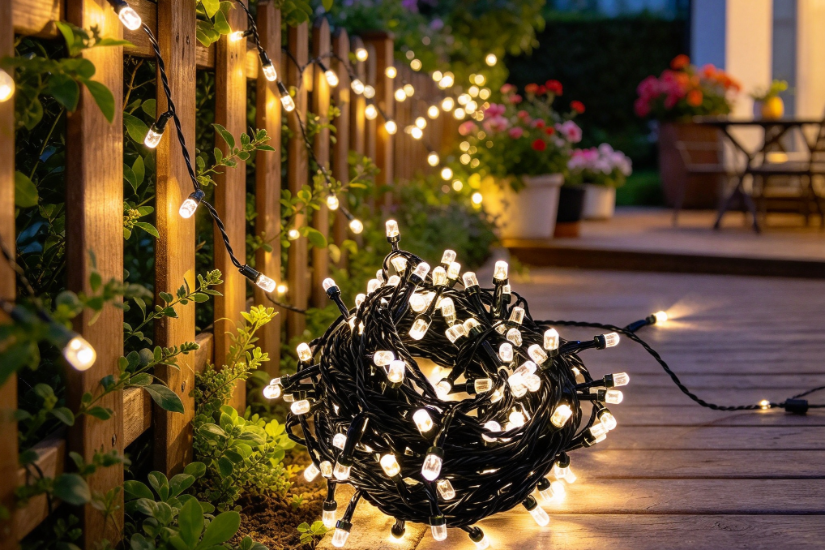
Good installation practices can support the product design. Keeping connections away from standing water helps considerably, along with avoiding placing connectors directly on wet ground. Preventing cables from hanging under unnecessary tension matters too, along with protecting connection points according to the product instructions and checking connections during routine maintenance walks around the yard.
A well-designed connector proves useful, but installation still genuinely affects how the lighting system behaves outdoors.
How Can Wiring Materials Support Outdoor Durability?
The wire connects the different parts of a string light system, so its condition affects the entire installation from end to end. Outdoor wiring may experience sunlight, moisture, temperature changes, bending, and movement across a season, and materials need to be suitable for the intended environment and protected from unnecessary physical stress.
Anti-aging wiring is particularly relevant for products that remain outdoors for extended periods, since materials can gradually change when exposed to weather, especially when the cable sits poorly positioned or left in an unsuitable location like coiled against hot pavement.
| Wiring Concern | Practical Consideration |
|---|---|
| Sun exposure | Suitable outer material |
| Moisture | Protected cable construction |
| Movement | Avoid unnecessary tension |
| Bending | Avoid sharp or repeated bends |
| Installation | Keep routes organized |
Cable quality and cable management work together, not separately. A durable cable can still experience avoidable damage if it's stretched, pinched, or placed against a rough surface like a brick edge.
Does Low-Voltage Design Matter for Outdoor String Lights?
Electrical safety becomes especially important when lighting gets used around gardens, patios, walkways, and other areas where people may come into contact with the installation while walking barefoot or gardening nearby. Low-voltage lighting systems are commonly considered for outdoor decorative applications because they can reduce certain electrical risks when designed and installed correctly.
However, low voltage doesn't mean the product can be handled carelessly around a sprinkler system. Water and electricity still require appropriate protection, and power supplies, connectors, cables, and control components all need to match the lighting system as a whole.
Buyers should also consider who will install the lights and whether the product is intended for permanent or temporary use. A product designed for simple seasonal decoration may have genuinely different installation requirements from a lighting system intended to remain outdoors for long periods across multiple years.
How Does an LED String Light Controller Need Protection?
A controller can add genuinely useful functions to an outdoor lighting system, allowing users to change lighting patterns, switch sections on or off, or adjust how the lights operate from a chair on the porch. The LED String Light Controller can also become another point that needs environmental protection of its own.
If the controller gets installed outdoors, its housing and connection points should suit the intended location. It shouldn't simply get placed on wet ground or left exposed where the product instructions don't permit it.
Controller placement can also affect everyday use around the house. A controller that's easy to reach may prove convenient, but it should remain positioned in a suitable protected area, perhaps tucked under an eave. When the controller connects to several sections of lighting, cable organization around the unit becomes genuinely important as well. The controller should get treated as part of the complete outdoor system, rather than as an accessory that can be placed anywhere convenient.
What Protection Does an LED String Light Dimmer Need?
An LED String Light Dimmer allows users to adjust the brightness of compatible lighting, which can prove useful when the same outdoor area serves different activities throughout an evening. A brighter setting may suit active outdoor use during a barbecue, while a softer setting can create a calmer atmosphere around a seating area later that night.
The dimmer still needs installation according to its intended environment. If it's not designed for direct outdoor exposure, it may need to remain in a protected location while the lighting itself gets installed outside on the fence.
This distinction matters genuinely during product selection. The light source may suit outdoor use while a control accessory has genuinely different environmental requirements. Buyers should therefore check the protection conditions for each component, rather than assuming all connected parts share the same level of protection.
How Can Rope Lights RGB Be Protected Outdoors?
Rope Lights RGB can create colorful decorative effects around buildings, gardens, patios, displays, and entertainment areas hosting a weekend gathering. Their flexible form makes them genuinely useful around edges, frames, railings, and other structures wrapped for effect.
Outdoor use introduces the same basic protection concerns found with other decorative lighting. The outer covering needs to protect internal components from the conditions expected at the installation location, and connections between sections require attention as well, particularly where different pieces meet along a railing.
Installation also affects durability here. A flexible light shouldn't get pulled into a shape that places unnecessary stress on the housing. It should get attached using suitable methods, rather than compressed tightly against surfaces like a deck rail corner. When RGB lighting combines with a controller, the control unit and its connection points should also get considered as part of the outdoor installation.
Why Does Sunlight Resistance Matter for Outdoor LED String Lights?
Rain is easy to notice dripping down a window, but sunlight can also genuinely influence outdoor lighting materials over months of exposure. Continuous exposure to sunlight can gradually affect certain plastics, cable coverings, and housings, with changes in surface condition appearing over time, especially when the product sits in an open area without shade all summer.
For an LED String Light Outdoor product, material selection can therefore genuinely influence how the system handles outdoor exposure across seasons. Buyers who plan to leave decorative lights outside for long periods should consider whether the product is designed for the intended level of sunlight it will actually receive.
The surrounding environment matters too, not just the product spec. A string installed beneath a roof may receive limited direct sunlight, while a garden installation may receive genuinely much more exposure. The same product can therefore experience genuinely different conditions depending on where it gets placed on the property.
How Should Outdoor String Lights Be Installed?
Protection starts with the product but continues genuinely through installation day. The lighting should get positioned so cables aren't stretched unnecessarily across a gap. Connection points should remain accessible for inspection while avoiding locations where water can collect, like a low spot near a downspout.
The supporting structure also matters here. String lights should get attached to suitable points that can support their weight and movement in wind. Cables shouldn't get used as structural support when the product instructions require separate support methods like a tension wire.
A practical installation process can identify the intended lighting route first, then check where power and control components will be placed. Keeping connectors away from areas where water can collect matters next, along with organizing cables to reduce pulling and sharp bends. Securing the lighting according to the product instructions comes before a final step: inspecting the complete installation before use.
Good installation can help the product operate within the conditions for which it was genuinely designed.
What Protection Features Matter Around Gardens and Patios?
Gardens and patios are common locations for decorative string lighting, but they can present genuinely different environmental challenges from one another. Garden installations may sit close to soil, plants, irrigation equipment, and wet ground after a watering session. Patio installations may involve walls, furniture, railings, roofs, and walking areas where guests move around during a party.
| Location | Useful Protection Consideration |
|---|---|
| Garden | Keep connections away from wet soil |
| Patio | Protect control components where needed |
| Balcony | Secure cables against movement |
| Walkway | Keep wiring organized and out of walking paths |
| Outdoor dining area | Consider moisture and easy access |
The lighting arrangement should complement the space without creating unnecessary maintenance problems down the road. Placement also influences how easy it is to inspect the system, since a connector hidden behind furniture may prove genuinely difficult to reach when a problem occurs mid-party.
How Can Buyers Evaluate Outdoor LED String Light Protection?
A product photograph can show the appearance of a string light, but it can't reveal every protection feature hiding inside the housing. Buyers should examine the complete product information before making a purchasing decision, rather than judging by looks alone.
Important questions include whether the lighting is intended for outdoor use, and which parts are suitable for outdoor exposure specifically. How connectors get protected matters, along with where the controller should be installed and whether the dimmer can remain outdoors safely. What type of installation gets recommended deserves asking, along with how the product should be stored when not in use and what maintenance checks are recommended over its lifespan.
For B2B buyers, these questions can also help when comparing different product configurations side by side. A supplier should be able to explain the intended application clearly, distinguishing between the light itself and accessories such as connectors, controllers, and dimmers. This makes it genuinely easier for buyers to plan the complete system, instead of selecting individual parts without considering how they work together.
How Can Outdoor LED String Light Manufacturers Improve Product Protection?
Manufacturers need to consider outdoor protection throughout product development and production, not as an afterthought near shipping. Housing design, wiring materials, connector construction, control components, assembly methods, and inspection all genuinely influence the finished product reaching a customer's yard.
Protection should also get considered together with usability. A product that's genuinely difficult to install or inspect may create unnecessary problems, even when its individual parts get designed for outdoor conditions on paper.
Factory inspection can cover areas such as housing assembly, wire connections, connector condition, controller installation, and general product appearance before anything ships. Manufacturers can also review how the product gets packaged for transportation, since outdoor lighting may include flexible cables and multiple connection points, meaning packaging should help prevent unnecessary bending or damage before installation ever begins.
For buyers and suppliers, clear product classification can make communication genuinely easier. Terms such as LED String Light, LED String Light Connectors, LED String Light Controller, LED String Light Dimmer, and Rope Lights RGB describe different parts or product forms, and each should get matched with its intended outdoor application before a purchase gets finalized.